What Makes a Cottage Garden? 7 Defining Features Explained
What makes a cottage garden a cottage garden? Discover the 7 defining features — dense planting, informal style, mixed flowers and edibles — plus the plants that create the look in UK gardens.
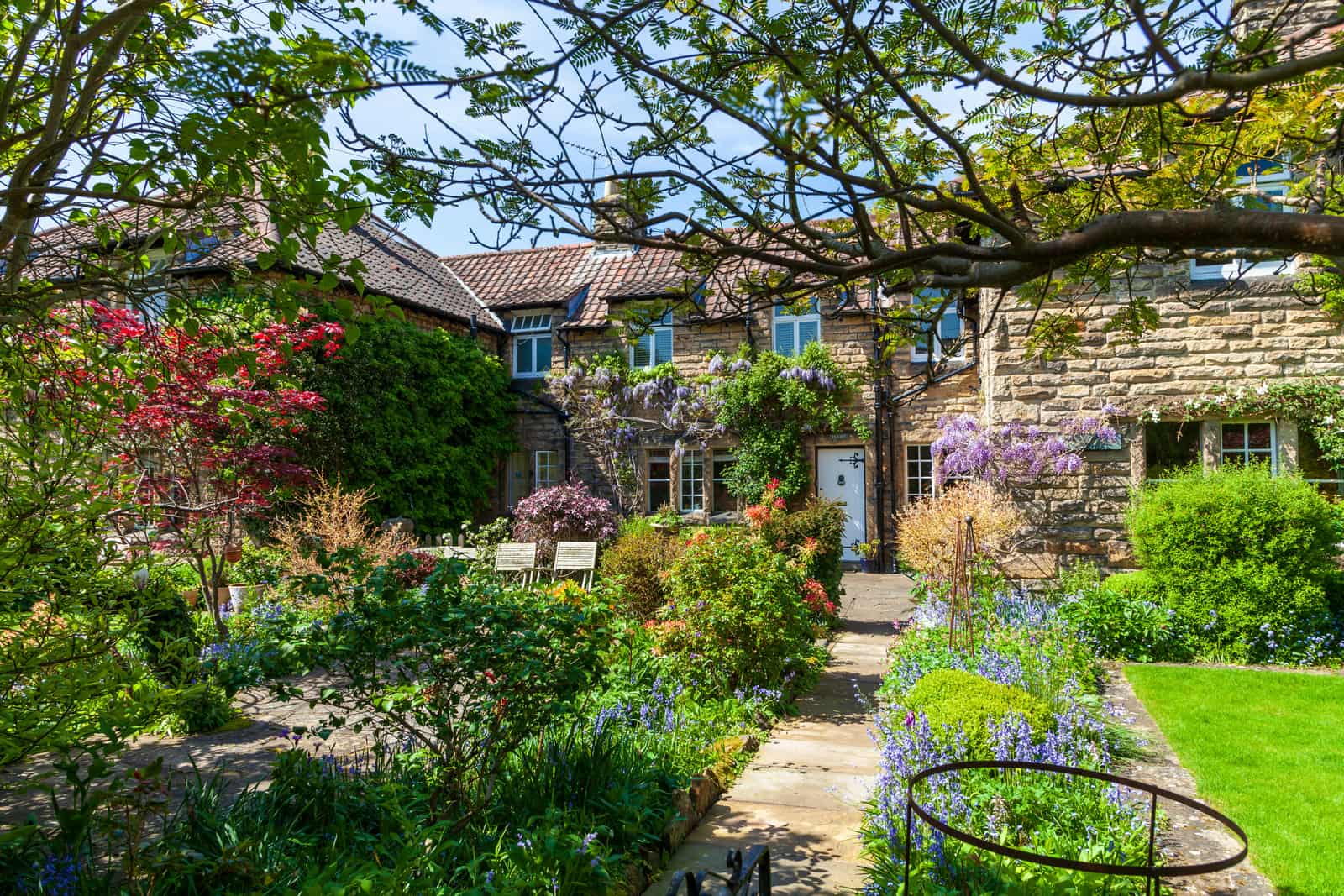
Ask ten gardeners what makes a cottage garden and you'll get ten slightly different answers — roses round the door, hollyhocks against a wall, a brick path disappearing into a froth of flowers. They're all right, because a cottage garden isn't defined by a strict rulebook. It's defined by a feeling: generous, informal, slightly wild, and utterly romantic.
But beneath that romance sit some very recognisable principles. In this guide, I'll break down the seven features that make a cottage garden what it is, where the style came from, and how to tell it apart from its close cousins. If you're planning your own, this is the foundation everything else on this site builds on.
A quick definition
A cottage garden is an informal, densely planted garden style that mixes flowers, herbs, fruit and vegetables together in generous, overflowing borders, usually framed by simple structures like picket fences, brick paths and rose-covered arches. It prioritises abundance and charm over formality and neat lines.
That's the short version. Now let's unpack what that actually looks like on the ground.
The 7 defining features of a cottage garden
1. Dense, layered planting
The single biggest giveaway is that you can barely see the soil. Cottage gardens are planted closely, with tall plants like delphiniums and hollyhocks at the back, mid-height perennials such as phlox and lupins in the middle, and low edging plants like lady's mantle and pinks spilling over the path edge. Bare earth is treated as an invitation for something new — and as a bonus, dense planting suppresses weeds and keeps roots cool.
2. Informality over symmetry
Formal gardens use straight lines, clipped hedges and mirror-image beds. Cottage gardens do the opposite. Paths curve, plants self-seed where they please, and a foxglove popping up in the "wrong" place is left to flower. There's still structure underneath — good cottage gardens are planned more carefully than they look — but the finished effect should feel relaxed and unforced.
3. A mix of flowers, herbs and edibles
The original cottage gardens were working gardens. Cottagers grew cabbages, currants and herbs for the kitchen, with flowers tucked in around them. That mix is still part of the style's DNA: rosemary next to roses, chives edging a flower bed, runner beans on a wigwam among the sweet peas. You don't have to grow food, but even a few herbs weave that heritage back in.
4. Traditional, romantic plant choices
Certain plants simply are the cottage garden look: roses, foxgloves, hollyhocks, delphiniums, lupins, sweet peas, lavender, peonies, geraniums (the hardy kind) and cosmos. Most are old-fashioned favourites that have been grown in British gardens for centuries, and many carry RHS hardiness ratings of H5–H7, meaning they'll sail through a UK winter without fuss.
5. Self-seeders and happy accidents
A true cottage garden partly plants itself. Aquilegias, forget-me-nots, honesty, verbena bonariensis and foxgloves scatter their seed and reappear in gaps, path cracks and unexpected corners. Rather than tidying them away, cottage gardeners edit lightly — keeping the best-placed seedlings and pulling the rest. It's the cheapest design tool there is.
6. Simple, rustic structure and materials
The hard landscaping stays humble: brick or gravel paths, a picket fence or low stone wall, a wooden arch or obelisk, perhaps a weathered bench. Natural, local-looking materials always beat sleek modern ones. The structure's job is to hold the exuberant planting together — a straight path through billowing borders is the classic cottage garden trick.
7. Generosity to wildlife
All those open, nectar-rich flowers make cottage gardens a haven for bees, butterflies and birds — and that buzz and flutter is part of the charm. Single-flowered varieties, long flowering seasons and a slightly relaxed attitude to tidiness mean a cottage garden hums with life in a way a minimalist gravel garden never will.
Where did the cottage garden style come from?
The style has its roots in the practical plots of English rural workers, who packed small gardens with food, herbs and a few cherished flowers out of necessity rather than fashion. In the late Victorian era, gardeners and writers — most famously Gertrude Jekyll and William Robinson — romanticised and refined the look, championing informal, naturalistic planting as a reaction against rigid Victorian bedding schemes. The "artless" cottage garden we admire today is really that blend: working-garden abundance, arranged with an artist's eye.
Cottage garden vs country garden: what's the difference?
The two overlap, but they're not identical. A cottage garden is typically small-scale, densely packed and informal throughout. A country garden tends to be larger and often mixes formal elements — clipped yew, lawns, structured borders — with looser areas. Think of the cottage garden as one exuberant room, and the country garden as a whole house with several different rooms.
Do you need an actual cottage?
Not remotely. The style is defined by the planting and the mood, not the building behind it. Cottage gardens thrive in new-build plots, terraced front gardens, courtyards and even container displays on a patio. If anything, the soft, abundant planting is the fastest way to give a stark modern plot instant warmth and character.
FAQs
What is the main feature of a cottage garden? Dense, informal, layered planting is the defining feature — flowers, herbs and edibles packed closely together so that little or no bare soil shows, arranged in a relaxed style rather than formal patterns.
What colours are used in a cottage garden? Traditional cottage gardens favour soft, romantic colours — pinks, purples, blues, whites and pastels — often with warmer accents. There's no strict rule, though; a limited palette simply makes the abundance look intentional rather than chaotic.
Are cottage gardens low maintenance? Moderately. Dense planting suppresses weeds and self-seeders fill gaps for free, but the style does involve seasonal jobs like deadheading, staking tall perennials and editing seedlings. It rewards little-and-often pottering rather than heavy landscaping.
Can I make a cottage garden in a small space? Yes — the style actually suits small gardens beautifully, because it began in small plots. Layered planting, climbers on walls and generous containers create the full effect even in a courtyard or front garden.
Start your own cottage garden
Now you know what makes a cottage garden: dense layered planting, informality, a mix of flowers and edibles, romantic traditional plants, self-seeders, rustic structure and a warm welcome for wildlife. Get those seven ingredients right and the magic follows, whatever the size of your plot.
Ready to create your own? Start with our complete cottage garden for beginners guide, or dive into the design side with our cottage garden design guide and how to plan a cottage garden from scratch.

Eleanor Hartley
Founder & Head Gardener
Eleanor has tended cottage gardens across Somerset for over fifteen years and founded Cottage Garden Blog to share practical, unfussy advice for growing beautifully in the British climate.
Related articles
 Planning & Design
Cottage Garden Pathway Design Ideas
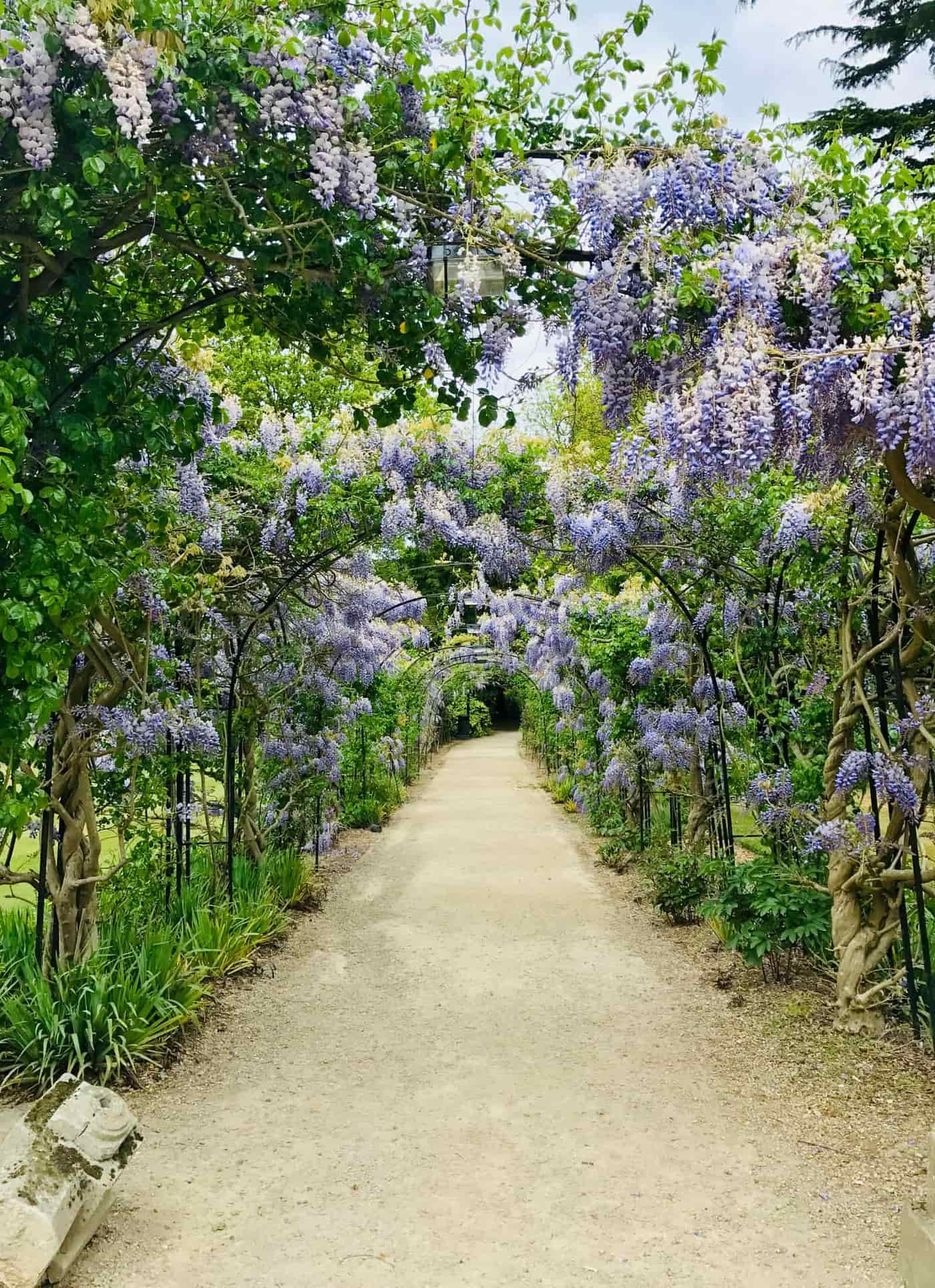
How to design paths that feel like they've always been there — from reclaimed brick to gravel and stepping stones through billowing borders.
 Planning & Design
How to Start a Cottage Garden From Scratch
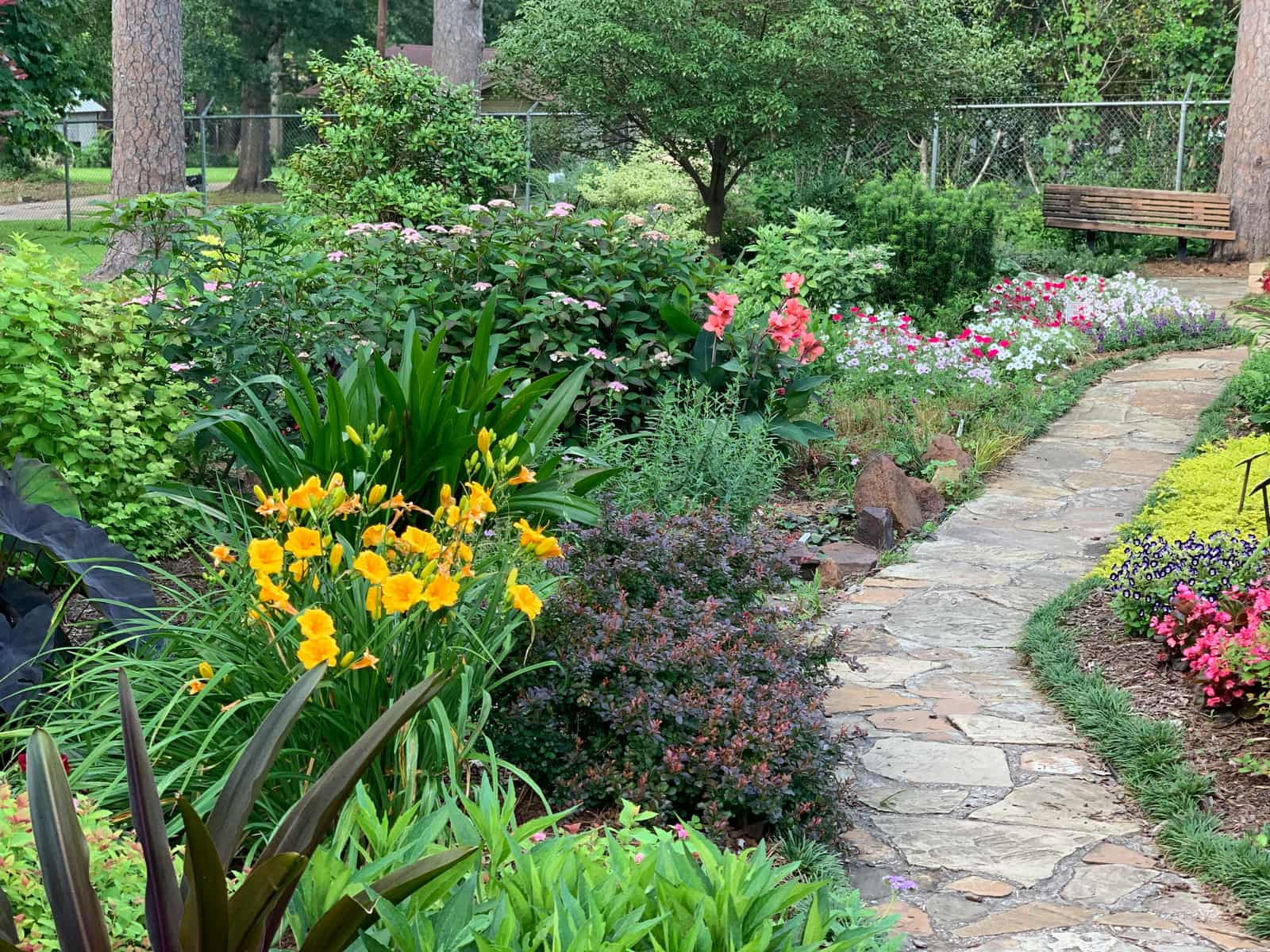
A beginner-friendly, step-by-step guide to planning and planting your first cottage garden — even if you're starting with a bare patch of lawn.