How to Start a Cottage Garden From Scratch
A beginner-friendly, step-by-step guide to planning and planting your first cottage garden — even if you're starting with a bare patch of lawn.
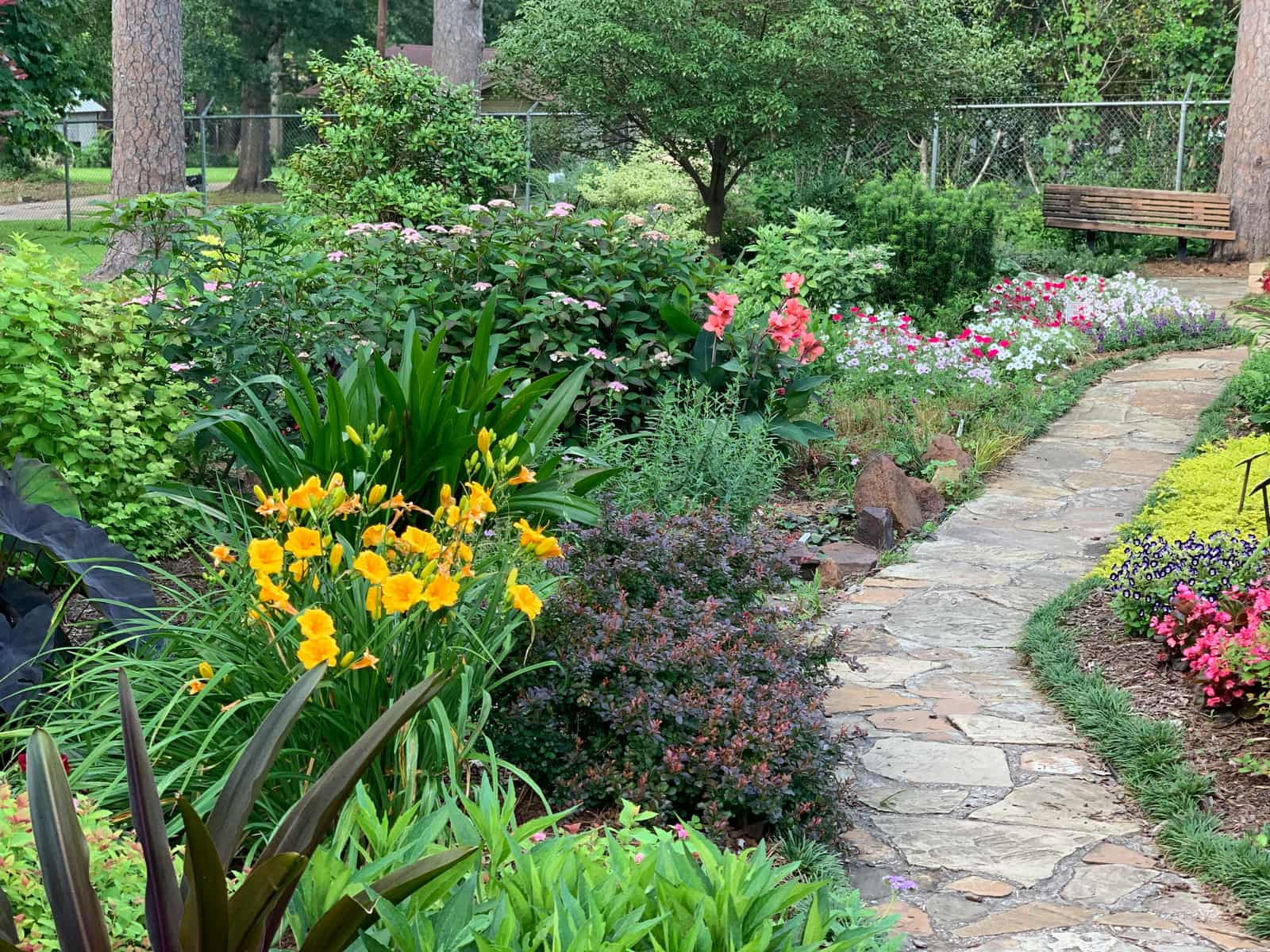
There's a particular kind of magic to a cottage garden — the loose, abundant borders, the roses tumbling over an old fence, the sense that everything has been growing together for years, even in a garden that's only a season old. The good news is that this look is entirely achievable for beginners. You don't need acres of land or a horticulture degree, just a bit of planning and the confidence to let plants do what they do best.
Start with the bones, not the flowers
It's tempting to head straight to the garden centre and fill your trolley with whatever's flowering, but a cottage garden that looks effortless actually relies on some quiet structure underneath. Before you plant anything, mark out:
- Paths — even a simple line of reclaimed bricks or gravel gives visitors somewhere to walk and stops borders from being trampled.
- Boundaries — a low box hedge, picket fence or woven willow edge gives billowing planting something to spill against.
- Focal points — an obelisk, birdbath or old apple tree instantly makes a new garden feel established.
Once these bones are in place, the planting can be as relaxed as you like.
Prepare the soil properly
Cottage garden planting is dense — borders are typically planted much closer together than in a modern minimalist scheme — so the soil needs to support a lot of hungry plants. Clear perennial weeds thoroughly, dig in plenty of well-rotted manure or garden compost, and don't skip this step even if you're eager to get planting. Good soil now means far less watering and feeding later.
Choose a core palette of cottage classics
Rather than one of everything, choose six to eight reliable performers and repeat them through your borders for a cohesive, informal look. Good starting points for a UK garden include:
- Hardy geraniums for weed-suppressing ground cover
- Foxgloves for vertical, cottage-garden height
- Lavender for structure, scent and pollinators
- Roses (climbing or shrub) for that quintessential cottage feel
- Nepeta (catmint) as a soft, long-flowering edging plant
- Alliums for early-summer height and architectural interest
Plant in informal drifts rather than straight lines, and don't be afraid to let plants self-seed and mingle — a little chaos is exactly the point.
Layer for continuous interest
A classic trick borrowed from grand cottage garden borders is layering: tall plants at the back or centre, medium plants filling the middle, and low, spreading plants at the front to soften edges. Aim for something in flower from March through to October by mixing spring bulbs, early perennials, summer stalwarts and late-season asters or sedums.
Be patient
Cottage gardens deepen with age. Your first year will look sparser than you'd like — that's normal. Mulch well, keep on top of watering while plants establish, and resist the urge to overplant in year one. By year three, you'll have exactly the abundant, slightly wild look you're after.

Eleanor Hartley
Founder & Head Gardener
Eleanor has tended cottage gardens across Somerset for over fifteen years and founded Cottage Garden Blog to share practical, unfussy advice for growing beautifully in the British climate.
Related articles
 Planning & Design
What Makes a Cottage Garden? 7 Defining Features Explained
What makes a cottage garden a cottage garden? Discover the 7 defining features — dense planting, informal style, mixed flowers and edibles — plus the plants that create the look in UK gardens.
 Planning & Design
Cottage Garden Pathway Design Ideas
How to design paths that feel like they've always been there — from reclaimed brick to gravel and stepping stones through billowing borders.