How to Prune Roses, Cottage Garden Style
A relaxed, practical guide to pruning shrub and climbing roses for maximum flowers without turning your garden into a formal display.
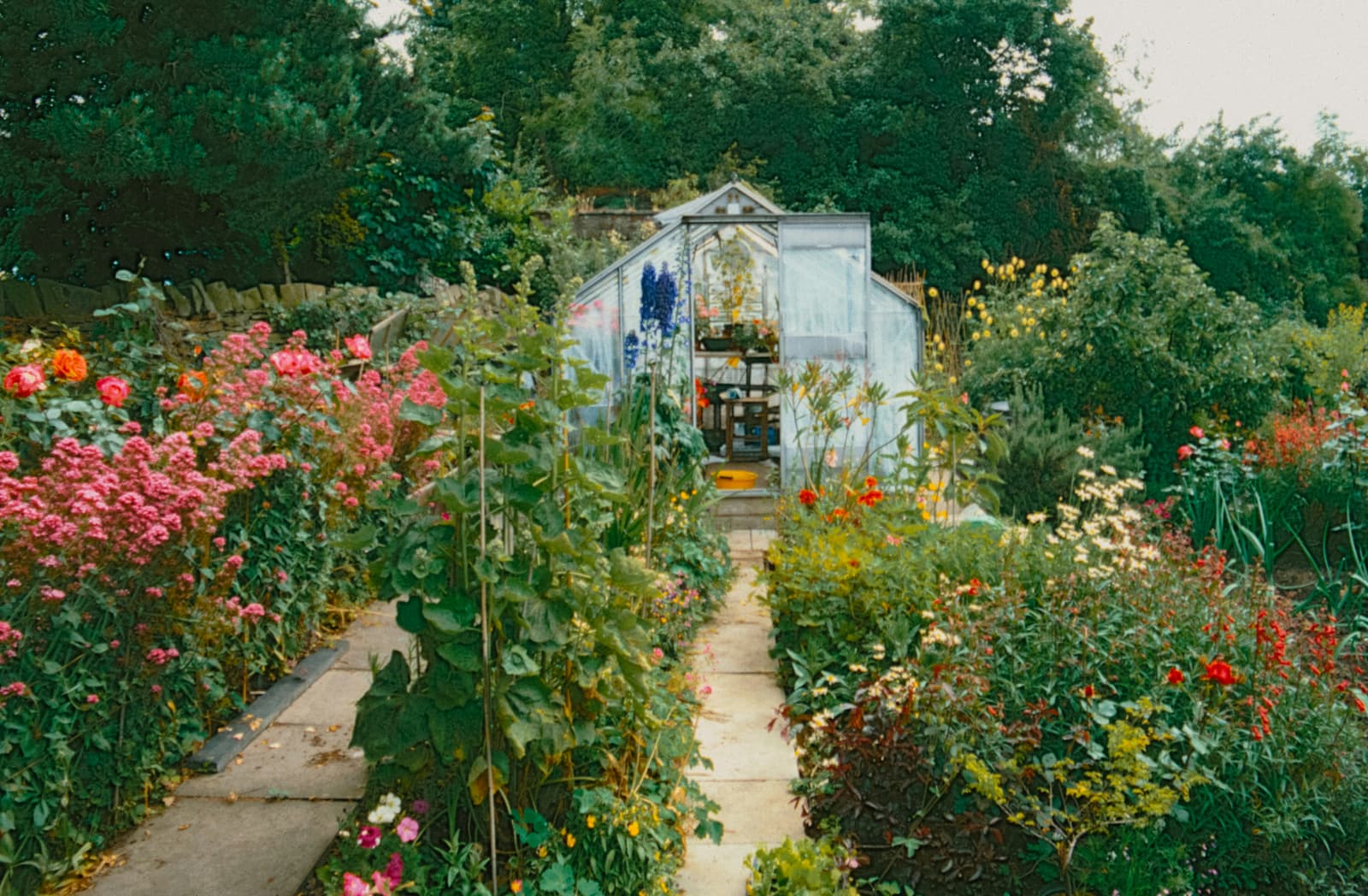
Rose pruning has a reputation for being fiddly and rule-bound, but cottage garden roses don't need the strict formality of a show-bench specimen. The goal here is simple: a healthy, open shrub that flowers generously and fits happily among its border neighbours.
When to prune
Late winter, typically February in most of the UK, is the classic time to prune shrub and climbing roses, just before new growth begins. Ramblers are the exception — prune them straight after flowering in summer, as they bloom on the previous year's growth.
What you'll need
A pair of sharp, clean secateurs is really all that's required for most cottage garden roses, plus thick gloves and long sleeves if you're tackling anything thorny. Clean cuts heal faster and are less likely to let in disease, so avoid blunt or rusty blades.
The basic method for shrub roses
- Remove the three Ds — dead, damaged and diseased wood — cutting back to healthy, white-centred stem.
- Open up the centre by removing one or two of the oldest, thickest stems at the base, improving airflow and reducing disease.
- Reduce remaining stems by around a third, cutting just above an outward-facing bud to encourage an open, rounded shape.
- Remove crossing or rubbing branches that could wound each other and let in infection.
Don't aim for perfection — a slightly asymmetric, informal shape suits a cottage garden far better than a tightly manicured dome.
Pruning climbers and ramblers
For climbing roses, focus on training rather than hard cutting: tie in strong new stems horizontally along a wall or fence, as horizontal growth produces far more flowering side-shoots than vertical growth. Shorten these side-shoots to two or three buds each winter, and remove any thin, weak growth entirely.
Deadheading through summer
Beyond the main winter prune, regular deadheading through summer — snipping spent flowers back to just above the first healthy leaf — encourages repeat-flowering varieties to keep blooming. If you want rose hips for autumn colour and wildlife value, simply stop deadheading from late summer onwards.
A gentle reminder
Roses are more forgiving than their reputation suggests. Even a nervous first attempt at pruning is very unlikely to kill an established plant — and next year's growth will show you exactly what worked, so you can adjust as you go.

Eleanor Hartley
Founder & Head Gardener
Eleanor has tended cottage gardens across Somerset for over fifteen years and founded Cottage Garden Blog to share practical, unfussy advice for growing beautifully in the British climate.