Attracting Bees and Butterflies to Your Cottage Garden
Simple, practical changes that turn any cottage garden into a haven for pollinators — from plant choices to leaving the 'messy' corners alone.
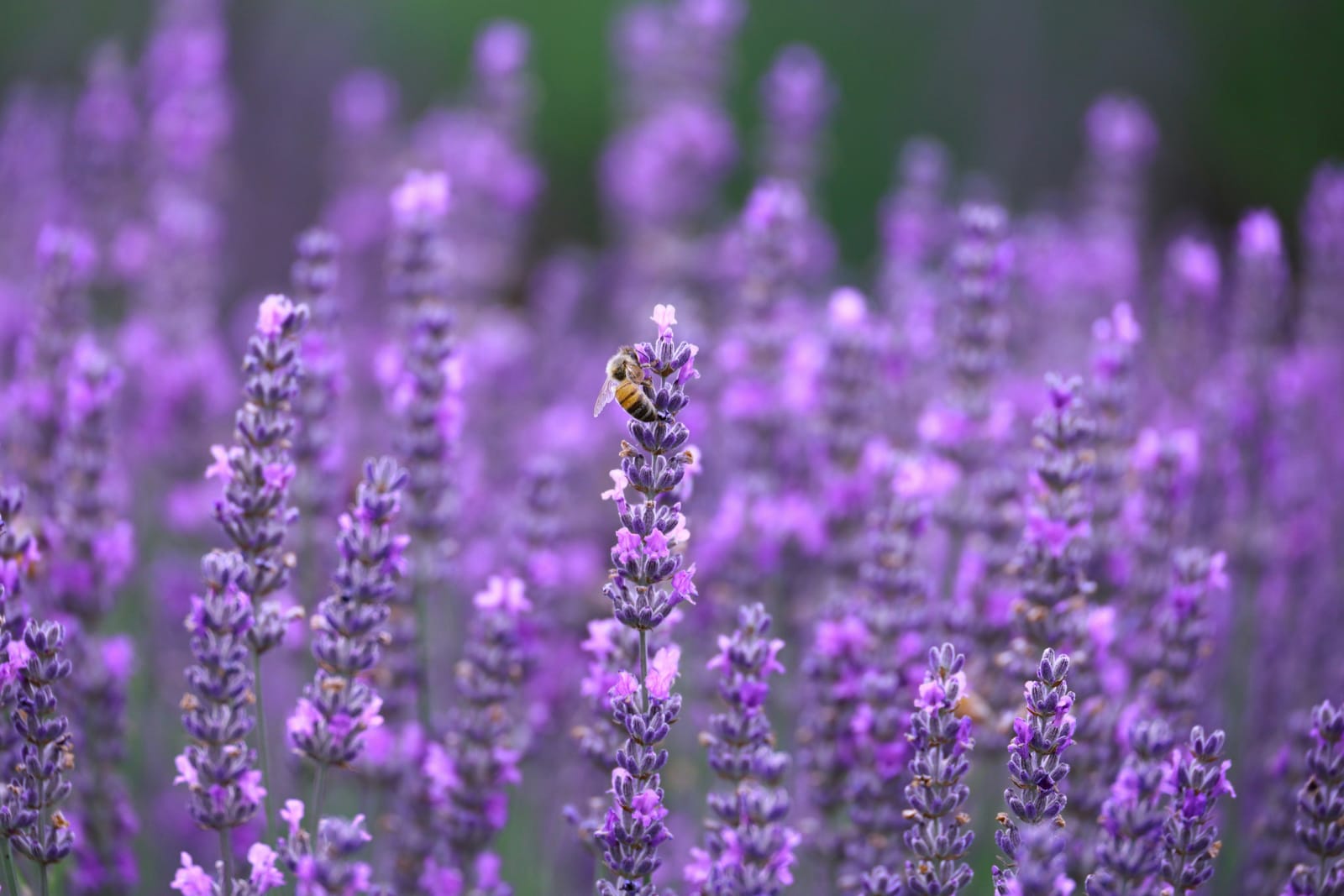
Cottage gardens and pollinators go together naturally — the same loose, densely planted borders that give cottage gardens their charm are exactly what bees, butterflies and hoverflies need to thrive. With a few deliberate choices, you can turn an already pretty garden into a genuinely valuable wildlife habitat.
Choose single, open flowers over doubles
Highly bred double flowers may look impressive, but many have so many extra petals that pollinators can't reach the nectar and pollen at their centre — if they have any left at all. Wherever possible, choose single-flowered varieties: single roses, single dahlias, and open-faced perennials like echinacea and rudbeckia are far more useful to visiting insects.
Plant for the whole season
A garden that's only pollinator-friendly in June leaves bees hungry the rest of the year. Aim to have something in flower from early spring right through to autumn:
- Spring: crocus, pulmonaria, flowering currant
- Early summer: foxgloves, geraniums, aquilegia
- High summer: lavender, catmint, echinops, verbena bonariensis
- Autumn: sedum, asters, ivy flowers (a crucial late-season nectar source)
Let a corner go a little wild
It's counterintuitive in a neatly tended garden, but leaving one area slightly untamed does more for wildlife than almost anything else. A patch of long grass, a pile of log offcuts, or a stretch of border left uncut over winter provides shelter for overwintering insects, amphibians and small mammals.
Skip the pesticides
Even "safe" pesticides can harm pollinators indirectly by reducing the insects they feed on, or through residue on treated plants. Tolerate a bit of leaf damage, encourage natural predators like ladybirds and lacewings, and use barriers or hand-picking for serious pest problems instead.
Add a simple water source
A shallow dish of water with a few pebbles for insects to land on gives bees and butterflies somewhere safe to drink, especially valuable during hot, dry spells. Keep it topped up and clean.
Grow a butterfly larval host or two
Adult butterflies need nectar, but their caterpillars need specific host plants. A patch of nettles in an unobtrusive corner supports red admirals, peacocks and small tortoiseshells — an unglamorous but genuinely valuable addition if you have the space.
With these changes, you'll likely notice more life in your garden within a single season — and a garden humming with bees is, in the end, exactly what a cottage garden should feel like.

Tom Whitfield
Wildlife Gardening Writer
Tom writes about wildlife-friendly gardening and pollinator-led planting, drawing on his background in horticulture and countryside conservation.